Marvel's Wolverine has no single open-world map. The official PlayStation page lists three locations — Canada, Japan and Madripoor, the last split into Hightown and Lowtown — and they are distinct story regions rather than districts of one traversable world. There is no icon-filled overworld and no fast travel between regions. The tool that does the job a map would is the Collectible Tracker in the pause menu, which reports counts chapter by chapter.
Why there is no connected map
This is the first thing to settle, because it is the assumption most people arrive with after Insomniac's Spider-Man games. Those were built on one continuous New York you could open a map of and pin a waypoint on. This is not that game.
IGN's final preview, published August 13, 2026 after a 2.5-hour hands-on, calls it a "traditional linear AAA action game" and notes Insomniac deliberately stepping away from the open-city design. GameLuster, covering a separate session, described the same linear structure independently.
The official PlayStation page is telling in what it does not say. It presents the settings as a list of locations and never uses the phrase "open world" anywhere — which is how linear games describe their settings. Our open world page goes through that evidence in full.
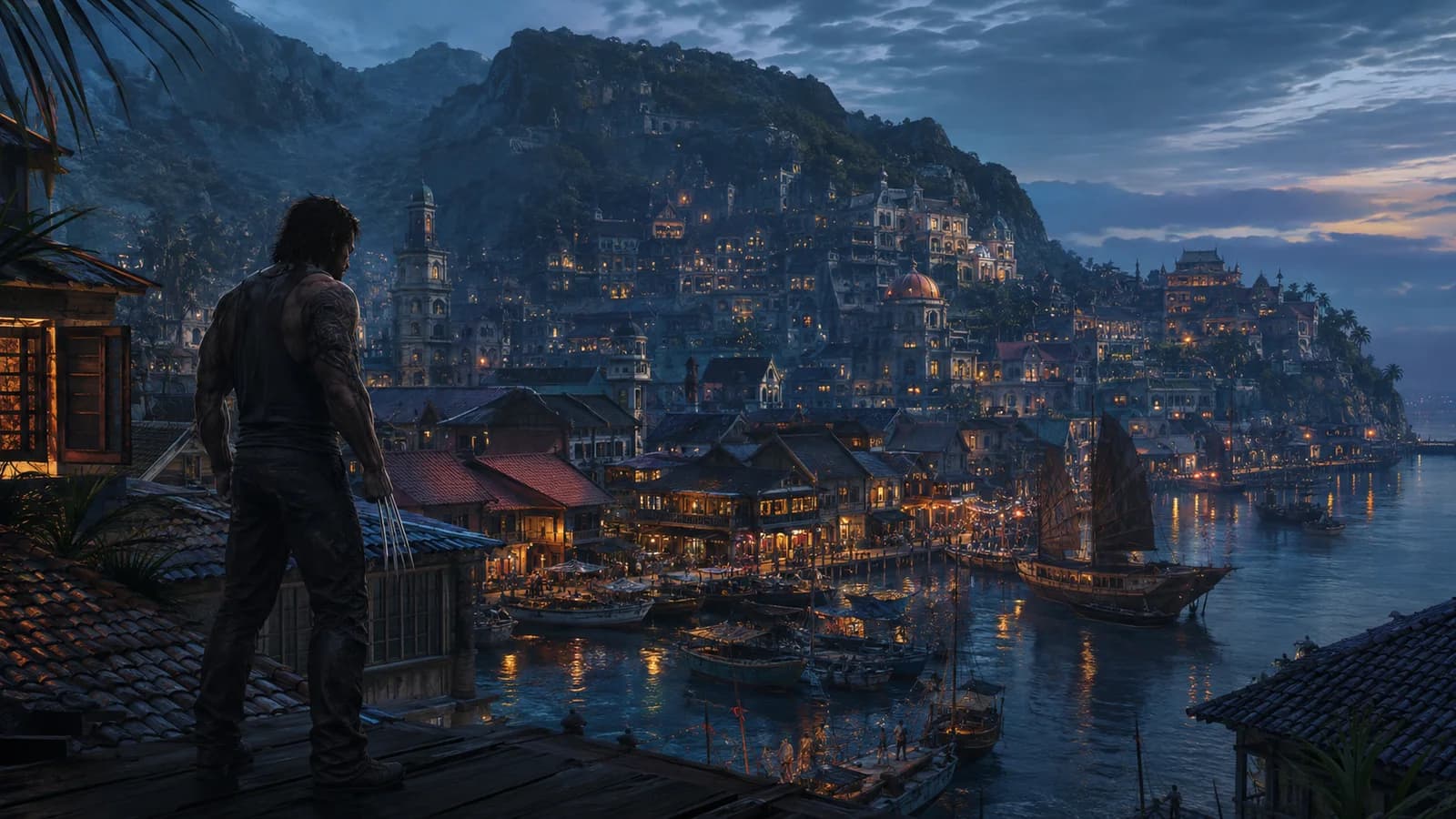
The three regions
| Region | What it is | How you reach it |
|---|---|---|
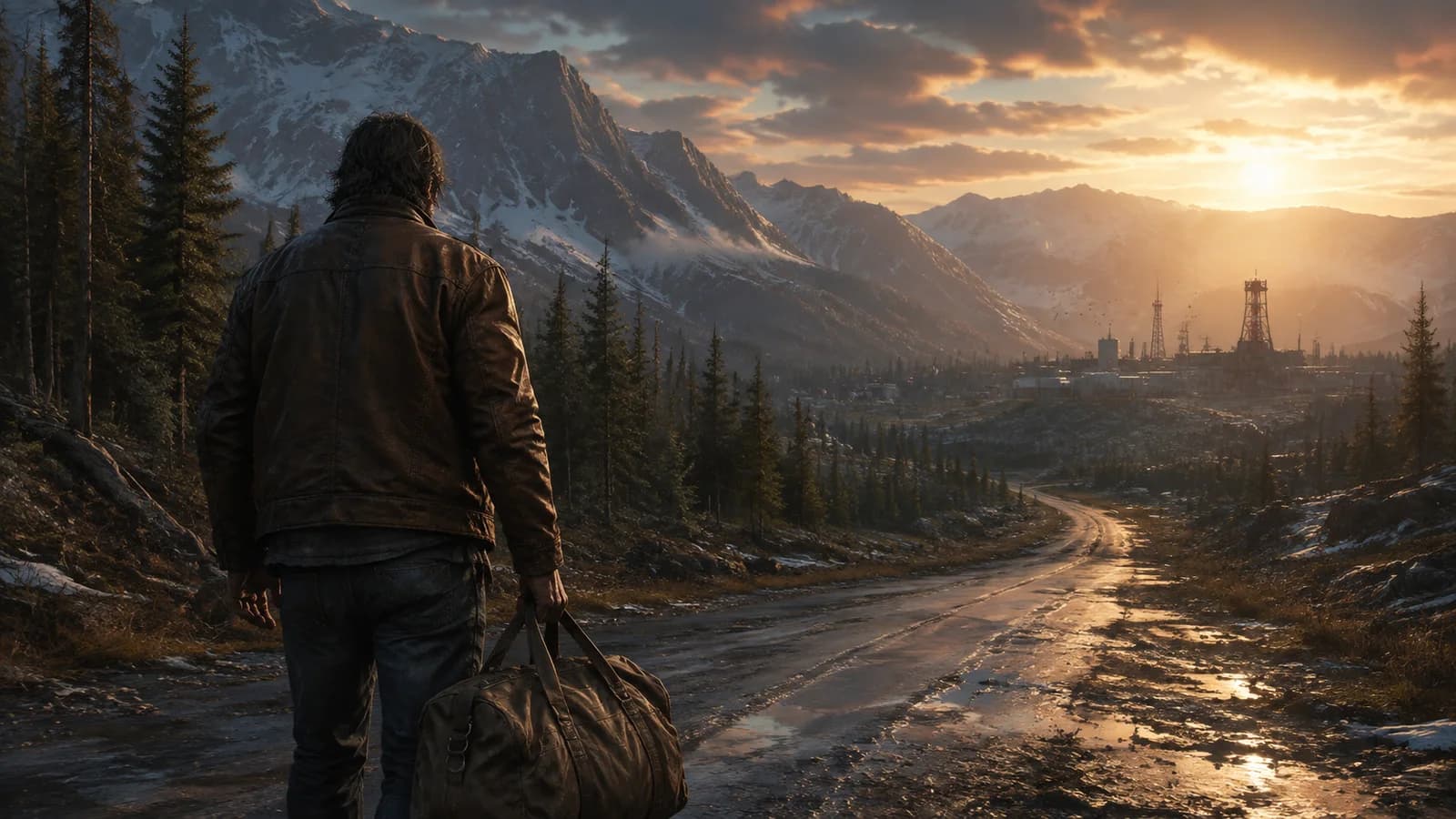
| Canada | Wilderness — the opening stretch, including a plane crash and a highway chase | Story progression |
| Japan | Tokyo streets, and where The Hand enters the story | Story progression |
| Madripoor — Hightown | The affluent half of the island city | Story progression |
| Madripoor — Lowtown | The other half, and home to the mutant sanctuary hub | Story progression |
Canada, Japan and Madripoor come straight from the official PlayStation listing; the Hightown and Lowtown split is listed there too. What the official page does not do is order them or say how much time you spend in each, so this page does not either.
The practical consequence: you do not choose where to go. The campaign takes you, and the visual variety between the three is part of the pitch rather than a menu you pick from.
The explorable parts are hubs, not open areas
Linear does not mean corridor-only. Between mission beats the game opens into hub areas you can walk around freely — the clearest documented example is the mutant sanctuary in Madripoor's Lowtown, where IGN's preview describes NPC conversations, arm wrestling and a game of "Never Have I Ever."
These are social and exploratory spaces rather than quest hubs feeding a map full of icons. The distinction matters for what you should expect: there is room to poke around, but no activity board and no district to clear.
What replaces a map
With no overworld to sweep, the game tracks completion per chapter instead. Three tools do the work a map would:
- Collectible Tracker — in the pause menu, showing per-chapter counts, so you can see exactly which chapter is short before replaying it.
- Crate Finder and Whisky Finder — Adaptations that mark collectibles through walls at long range, turning a sweep into following markers.
- The Nightmare Cabin — reached from the title screen after the credits, showing overall progress and launching Mission Replay.
There are 102 collectibles in total — 68 material crates, 20 whisky bottles and 14 Nightmare Doors — and none of them are missable, because Mission Replay unlocks once you encounter the second Nightmare Door. The full breakdown is on our collectibles page.
If you came from Spider-Man
The honest comparison, since that is the reference point most people have:
| Spider-Man 2 | Marvel's Wolverine | |
|---|---|---|
| World | One continuous city | Three separate regions |
| Map screen | Central to play | Not how the game is navigated |
| Fast travel | Yes | No travel between regions |
| Collectibles | Map icons | Hidden along the path and in hubs |
Whether that is a downgrade depends entirely on what you wanted. It buys tighter pacing and no map-clearing busywork, and it costs you the freedom to set your own route. It also has a direct effect on runtime — see how long the game is.
Article text draws on the official channels and press reporting listed in the sources below. Where a figure is an estimate or a claim is unconfirmed, the page says so rather than presenting it as fact. Last research pass: September 15, 2026. Illustrations are original AI-assisted concept art created for this wiki, not official screenshots or evidence of unannounced content.
Sources
References and further reading for this article.