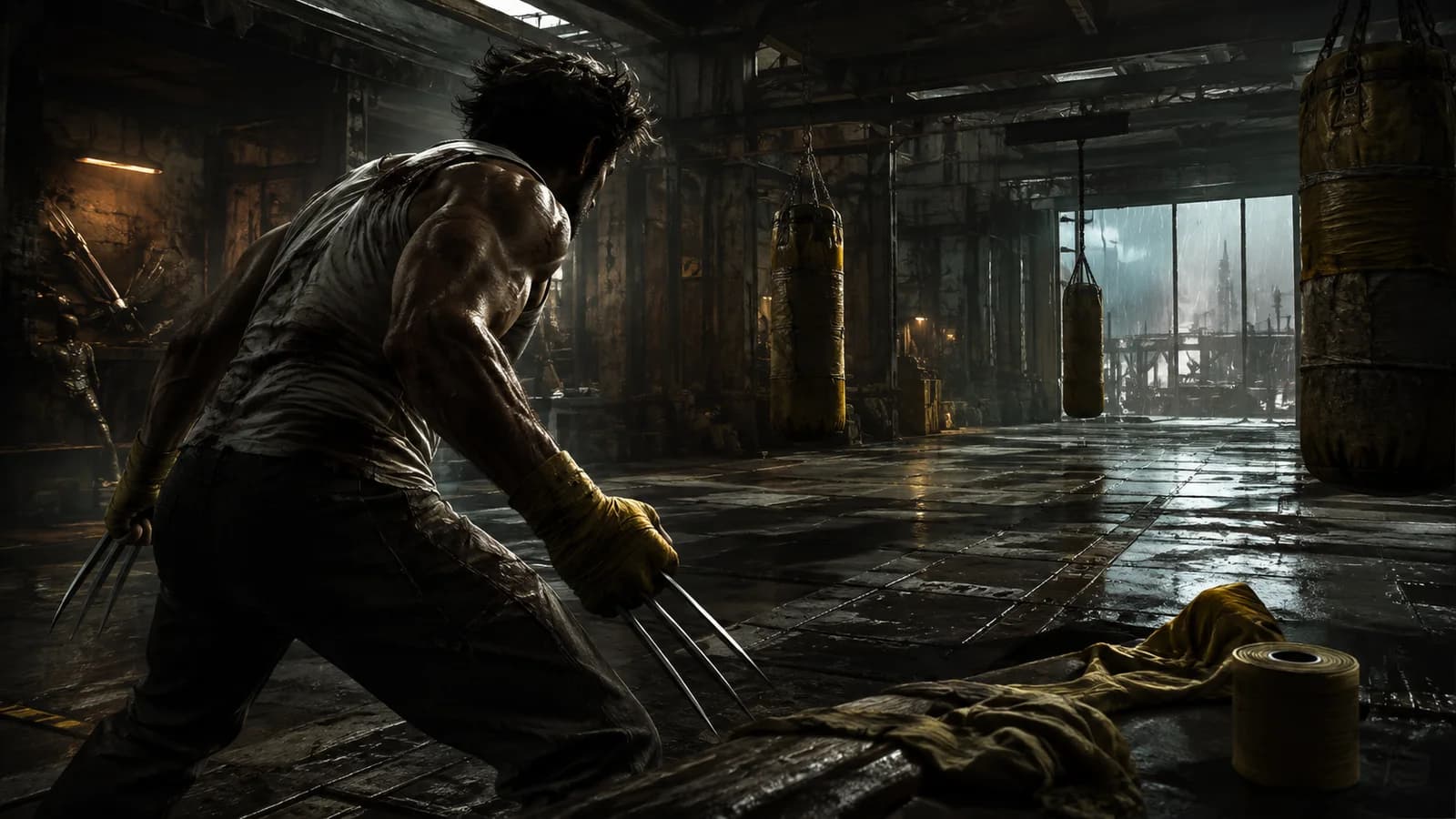
No, Marvel's Wolverine is not open world. IGN's hands-on describes it as a traditional linear AAA action game, and Insomniac has deliberately stepped away from the open-city design of the Spider-Man series. You get linear story chapters across three regions, plus explorable hub areas and optional challenges.
What the previews actually say
IGN's final preview, published August 13, 2026 after a 2.5-hour hands-on, uses the phrase "traditional linear AAA action game" and notes that Insomniac is moving away from the open-world approach of its Spider-Man titles.
GameLuster, covering a separate hands-on session, independently described the game as having a linear structure and framed it as a shift relative to previous PlayStation blockbusters.
Two hands-on sessions from different outlets reaching the same conclusion is about as firm as it gets before release.
So what structure does it actually have?
The shape is linear mission progression punctuated by hub areas you can walk around freely. IGN's preview section followed Team X on a mission to rescue Nathaniel Essex, with the mission itself linear.
Between those beats you get places like the mutant sanctuary in Madripoor's Lowtown, where you can talk to NPCs, arm wrestle, and play "Never Have I Ever." These are social and exploratory spaces, not quest hubs feeding a map full of icons.
Think chaptered adventure with breathing room, closer to Uncharted's pacing than to a Spider-Man open city.

Three regions, not one connected map
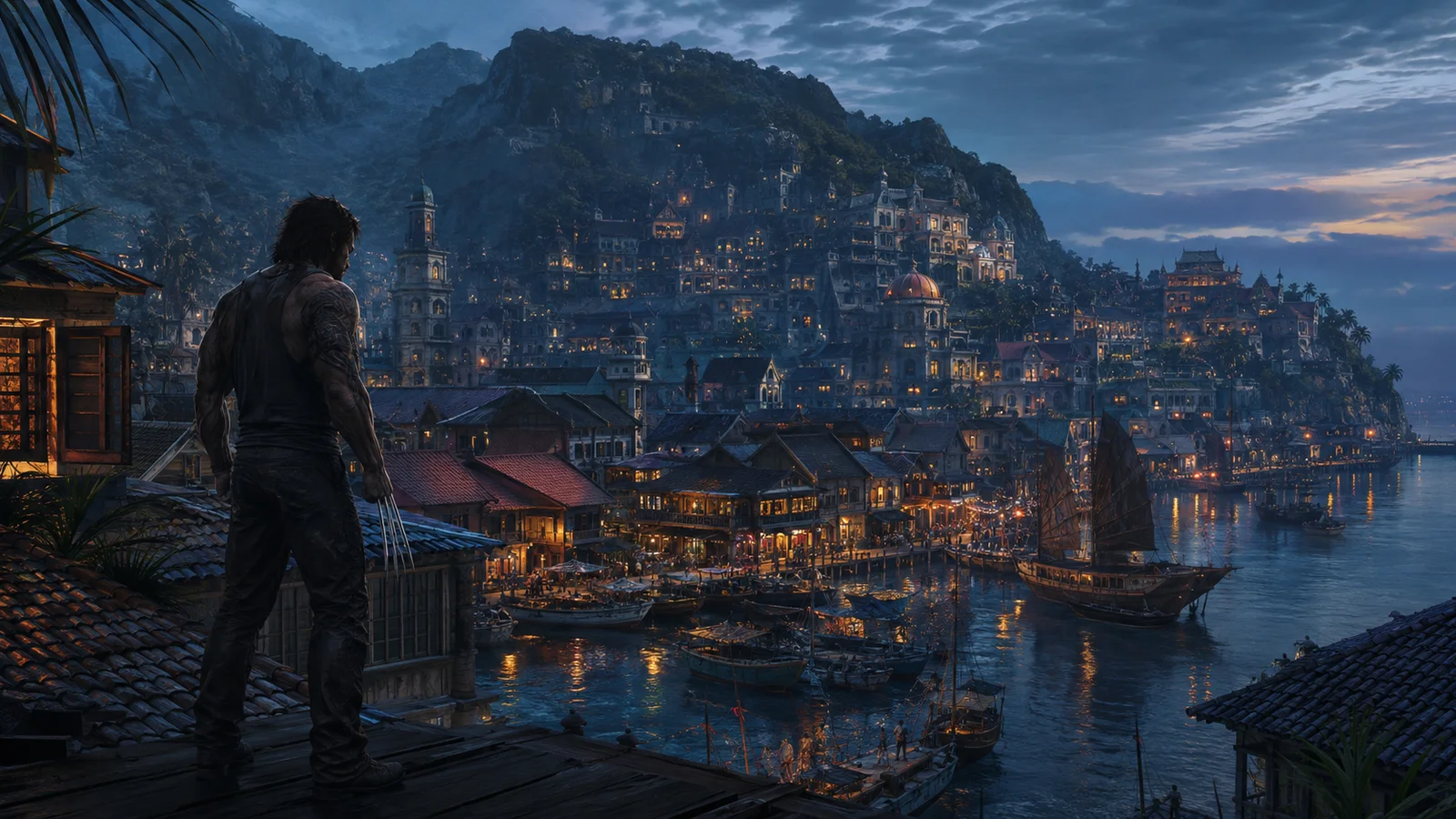
The official PlayStation page lists the game's locations as Canada, Japan and Madripoor — the latter split into Hightown and Lowtown. These are distinct regions reached through the story, not districts of a single traversable world.
Notably, the official page never uses the phrase "open world" anywhere. It presents locations as a list, which is how linear games describe their settings.
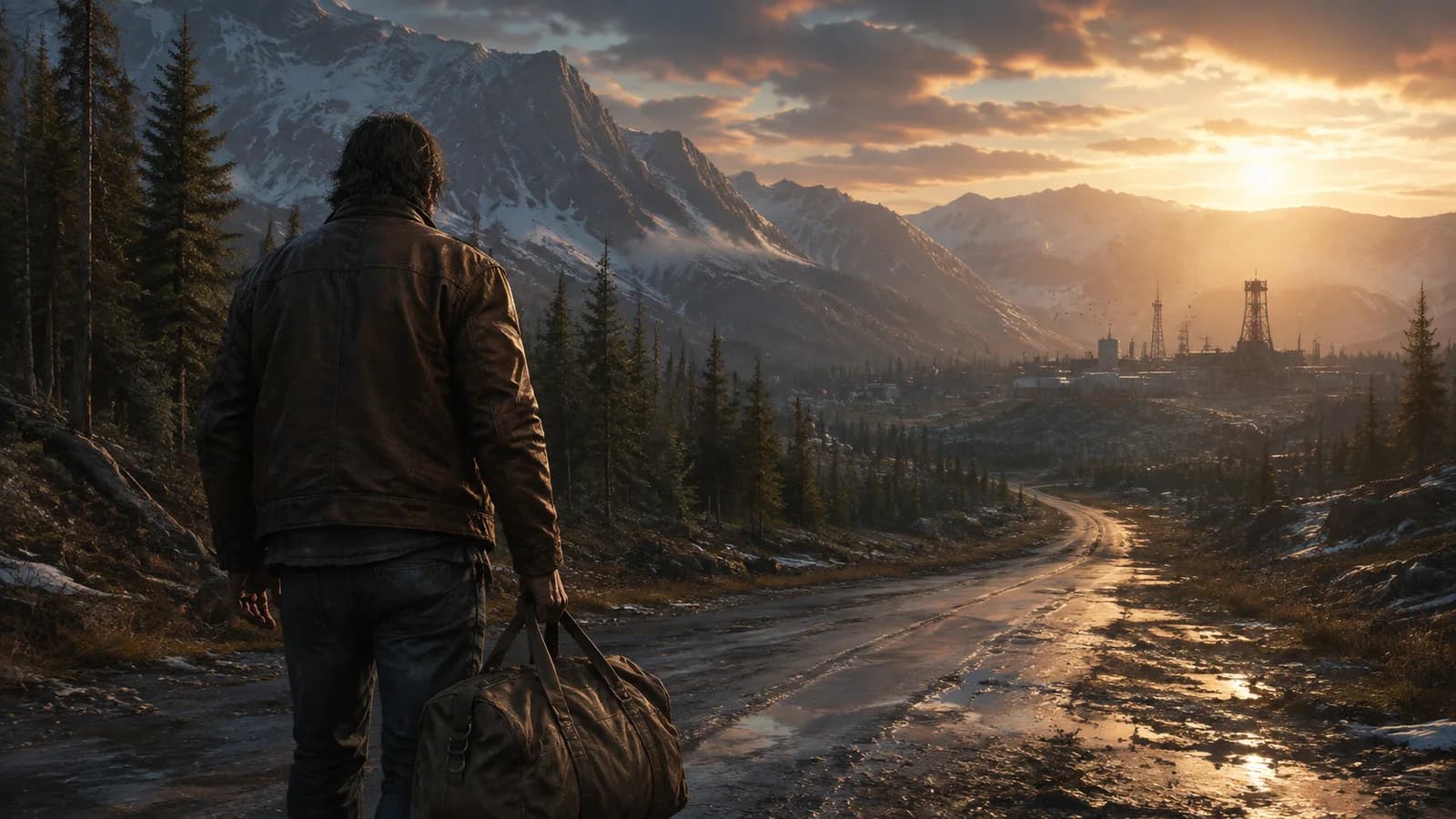
The Canadian wilderness, Tokyo's streets and Madripoor's two halves are all visually distinct, and the variety is part of the pitch — but you are not fast-travelling between them on a shared map.

Is there side content?
Yes, but it is delivered as discrete optional challenges rather than open-world activities. The main sources are:
- Nightmare Doors — 14 timed combat and traversal trials, scored gold, silver or bronze.
- Whisky bottles — 20 collectibles, each revealing a piece of Logan's forgotten past.
- Material crates — 68 of them, feeding suit crafting and by extension your health upgrades.
That is a deliberate substitution. In an open world these would be map icons; in a linear game they are hidden along the critical path and inside hub areas, which is why exploration still has a point.
The leaks said the same thing in 2023
When development material leaked in December 2023, outlets covering it described the game as "semi-linear" rather than a Spider-Man-style open world, with Tech4Gamers comparing the likely shape to Uncharted 4.
That early read matches what previewers found nearly three years later. It is a useful consistency check: the structural direction did not change late in development, it was the plan.
For what the leak actually contained, see our leaked gameplay page.
Why Insomniac changed approach
Insomniac spent three games building open-world New York, so a linear Wolverine game is a conscious pivot rather than a shortcut.
The character is the most obvious reason. Spider-Man's traversal is the argument for an open city — web-swinging between districts is itself a reason to play. Wolverine has no equivalent movement fantasy; he walks, climbs and fights. An open city would be commute time.
The story shape reinforces it. This is a globe-spanning narrative moving between the Canadian wilderness, Tokyo and Madripoor. A connected map cannot span those distances, so a chaptered structure is the only way to deliver that variety.
Tonally, an M-rated revenge-driven story benefits from controlled pacing. Open worlds dilute momentum by design — they invite you to wander mid-crisis. Linear structure keeps pressure on, which suits a game built around rage.
What playing it actually feels like
Setting expectations properly is the practical value of this question, so here is the shape of a session.
You will not clear a map. There are no towers, no icon sweeps, no repeatable outpost captures. Optional content is 14 Nightmare Doors, 20 whisky bottles and 68 material crates, found along the route rather than marked on a world map.
You will explore, but within bounds. Hub areas like the Madripoor Lowtown sanctuary are genuinely walkable spaces with NPCs, conversations and small diversions like arm wrestling.
Pacing is authored. The game decides when you fight, when you talk and when you travel. Whether that is a benefit depends entirely on what you want — it is a tighter experience and a less free one.
Collectibles still reward exploration. Material crates feed suit crafting, which raises maximum health, so poking around corridors has a mechanical payoff rather than being purely completionist.
What it is closer to instead
If "not open world" leaves the shape unclear, a few comparisons help — with the caveat that these are structural analogies, not quality claims.
When development material leaked in 2023, Tech4Gamers compared the likely shape to Uncharted 4: linear chapters, occasional wider areas to poke around in, and authored pacing throughout. That comparison has held up against what previewers found in 2026.
The hub areas are the part that resists a simple label. The Madripoor Lowtown sanctuary is a real social space with NPC conversations, arm wrestling and drinking games — closer to a settlement in a story-driven RPG than to a mission-select menu.
What it is definitively not is Insomniac's own Spider-Man template. No connected city, no traversal-as-content, no map full of icons to clear between story missions.
Expect chaptered progression with room to breathe, three visually distinct regions, and optional challenges placed along the route rather than scattered across a map.
What linear design means for you
Practically, it means tighter pacing and no map-clearing busywork, but also less freedom to set your own route. If you came off Spider-Man 2 expecting to swing around between missions, that is not this game.
It also has knock-on effects for length — linear games are typically shorter than Insomniac's open-world output, which our length page covers in detail.
And stealth stays optional throughout, so linear does not mean prescriptive about how you approach each encounter. See gameplay systems for the full breakdown.
Article text draws on the official channels and press reporting listed in the sources below. Where a figure is an estimate or a claim is unconfirmed, the page says so rather than presenting it as fact. Last research pass: September 4, 2026. Illustrations are original AI-assisted concept art created for this wiki, not official screenshots or evidence of unannounced content.
Sources
References and further reading for this article.